 The New Experience Newspapers Online News Indepth, Analysis and More
NIGERIAN PORTS POST 32.38M TONS CARGO THROUGHPUT IN Q1 AS VEHICLE IMPORTS SURGE 67%
By Prince Benson Davies
Nigeria’s port system opened 2026 on a strong note, recording 32.38 million metric tons of cargo throughput in the first quarter. The figure marks an 11.6% increase compared to the same period last year, driven by the arrival of larger vessels and improved export performance, according to the Nigerian Ports Authority (NPA).
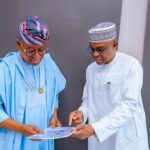 Data from the Authority shows Gross Registered Tonnage for ocean-going vessels climbed 19.5% to 46.75 million within the review period. The rise points to a growing preference for higher-capacity ships calling at Nigerian ports, a development that is boosting cargo-carrying efficiency and terminal turnaround times.
The NPA linked the upward trend to the operational impact of Lekki Deep Sea Port and expanding trade opportunities under the African Continental Free Trade Area (AfCFTA). Both factors are gradually positioning Nigeria to handle more regional cargo volumes.
Outward cargo led the performance chart, rising 23.7% to 14.13 million tons. Outward laden container traffic recorded a sharper increase, jumping 67.6% to 102,803 TEUs. The growth reflects improvements in export logistics, faster documentation processes, and better terminal efficiency across major ports.
Vehicle traffic also posted significant gains. The number of units handled through the ports rose 67% to 58,870, indicating renewed demand and quicker clearance processes for automobile imports. Transshipment container activity grew by 83.1%, a signal that Nigeria is strengthening its role as a maritime gateway for West Africa.
Maritime analysts say the transshipment increase suggests the country is starting to benefit from AfCFTA’s gradual removal of trade barriers, with more cargo routed through Nigerian ports to other regional destinations.
Speaking at an industry forum in Lagos, NPA Managing Director Abubakar Dantsoho said the new trade environment will reward ports that deliver efficiency, speed, innovation, and reliability. He noted that Nigeria must fully leverage its marine resources if the port system is to become a major driver of economic growth.
“The time has come for a paradigm shift toward full utilisation of our marine resources. Our port system, if properly harnessed, can serve as a major driver of economic growth,” Dantsoho stated.
The Q1 performance comes as the Federal Government pushes ahead with port modernisation projects. These include the $1 billion rehabilitation of Lagos Port Complex and Tin Can Island Port, alongside planned upgrades for Warri, Port Harcourt, Onne, and Calabar ports.
Digital reforms are also being fast-tracked. The rollout of the Port Community System and National Single Window is expected to cut clearance timelines and improve transparency in cargo documentation. Complementary investments in rail links, inland dry ports, barging operations, and dedicated export corridors are designed to ease congestion and improve cargo evacuation from the ports.
On the security front, Nigeria has maintained over four years without piracy incidents in its waters. The NPA credits this to the Deep Blue Programme and enhanced maritime surveillance, which have restored confidence among international shipping lines.
Minister of Marine and Blue Economy Adegboyega Oyetola confirmed that procurement processes for port upgrades are already in motion nationwide, with implementation timelines being accelerated to meet rising trade demands.
Despite the gains, Dantsoho cautioned that Nigeria currently handles only about 25% of West Africa’s total cargo traffic, even though the country accounts for over 60% of the region’s GDP. Closing that gap, he said, will require sustained investment in infrastructure, technology, and human capacity.
“With sustained commitment to these initiatives, Nigeria’s port system will enter a new phase and emerge as a leading maritime logistics hub in Africa,” he added.