 The New Experience Newspapers Online News Indepth, Analysis and More
NIGERIA CUSTOMS AND WORLD BANK DEEPEN COLLABORATION TO IMPROVE POST-CLEARANCE AUDIT SYSTEMS
By Prince Benson Davies
The Nigeria Customs Service has begun a two-week technical support programme with the World Bank Group to improve its Post Clearance Audit operations and strengthen compliance management across the trading system. The engagement, which started on 1st June and runs until 12th June 2026, is being held at the NCS Headquarters in Maitama, Abuja under the Accelerated Revenue Mobilisation Reform Programme, ARMOR.


 Post Clearance Audit is increasingly used by modern customs administrations to check declarations after goods have been released, using data analysis and risk profiling rather than inspecting every shipment at the ports. The mission is expected to help the Service move further from transaction-based checks to a more intelligence-driven approach that supports legitimate trade while protecting government revenue.
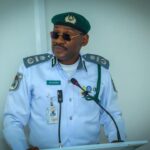
Assistant Comptroller-General Babatunde Olomu delivered the opening remarks on behalf of the Comptroller-General, Adewale Adeniyi. He said the programme aligns with the Service’s modernisation drive to build a customs administration that relies more on intelligence, technology, and global best practices. According to him, the two-week mission will review current audit processes, identify areas for improvement, and introduce tools that can make audits more efficient, transparent, and consistent.
Olomu explained that the training will focus on practical areas such as risk-based targeting, case management, registry systems, quality assurance, and standardised audit procedures. He noted that a stronger Post Clearance Audit framework will allow the Service to detect revenue leakages, encourage voluntary compliance, and reduce delays for compliant traders. He added that the reforms are also aimed at improving public trust and the overall ease of doing business.
The ACG acknowledged the commitment of the Comptroller-General to staff training and institutional reforms, and thanked the World Bank and other development partners for their continued support. He urged officers attending the workshop to engage actively and apply the knowledge gained to improve daily operations across commands.
Speaking for the World Bank Group, Task Team Lead Moses Kajubi said the mission is structured to equip Post Clearance Audit officers with modern methodologies and audit tools used in advanced customs administrations. He stated that participants will learn global case management techniques, compliance monitoring strategies, and data-driven approaches that can be adapted to Nigeria’s environment. He stressed that technology and structured systems are essential for improving audit quality and supporting trade facilitation.
Lead Consultant for the ARMOR Programme, Colonel Aloke Dutt, said the engagement seeks to create a more unified and structured approach to audit work within the Service. He highlighted the need for standard operating procedures, effective monitoring, and the integration of analytics into audit processes. He also emphasised the role of technology platforms such as B’Odogwu in supporting a competency-based audit system.
During a practical session, Assistant Comptroller Muhammad Jubril demonstrated how officers can initiate audit reviews on the B’Odogwu platform using Harmonised Commodity codes and other risk indicators. The demonstration showed how data can be used to select consignments for audit and track cases from initiation to closure.
In his closing remarks, Comptroller Muhammad Shattima encouraged participants to take full advantage of the training. He said the knowledge and tools acquired should be applied to strengthen audit outcomes, improve revenue collection, and support the Nigeria Customs Service in meeting its strategic objectives for modernisation and service delivery.