 The New Experience Newspapers Online News Indepth, Analysis and More
NIGERIA, BENIN, CAMEROON ADOPT BEITBRIDGE MODEL TO MODERNISE REGIONAL BORDERS
……Chat New Path to Boost Intra-African Trade Through Coordinated Border Management
By Prince Benson Davies
The Nigeria Customs Service has renewed its push for coordinated border management and trade facilitation following a high-level benchmarking mission to the Beitbridge Border Post between Zimbabwe and South Africa.
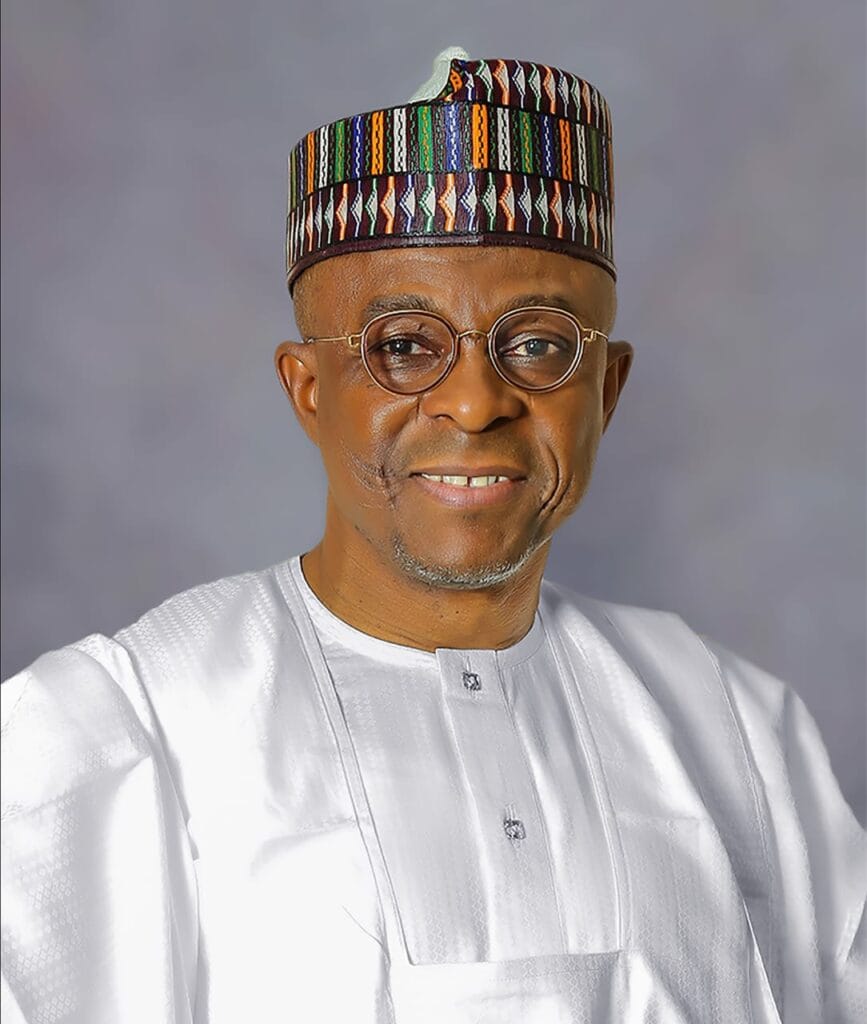
The mission, supported by the African Export-Import Bank, Afreximbank, brought together the Comptroller-General of Customs, Adewale Adeniyi, MFR; Director General of Cameroon Customs, Fongod Nuvaga; Director-General of Benin Customs, Colonel Raouf Malèhossou Aboudou; Acting Commissioner of Customs and Excise, Zimbabwe Revenue Authority, Mrs Lonto Ndlovu; and Chairman of Bergmans Security Consultant and Supplies Limited, Alhaji Saleh Ahmadu.





 The visit, which held from July 23–27, 2026, is part of ongoing efforts to deepen intra-African trade under the African Continental Free Trade Area, AfCFTA.
Speaking at the adoption of the Joint Communiqué on Monday, July 27, 2026, CGC Adeniyi described the mission as a shift from discussion to practical implementation of modern border systems.
He said lessons from Beitbridge and Chirundu Border Posts in Zimbabwe underscored the need for coordinated institutions, digital integration and collaborative leadership to transform Africa’s trade corridors.
“Beitbridge has demonstrated that border modernisation is not merely about infrastructure development. The most important lesson is that sustainable reform depends on coordinated institutions, clear accountability, digital interoperability and professional human capital. We are leaving here with a renewed commitment to translate these lessons into practical solutions that will strengthen trade facilitation, security and economic growth across our region,” Adeniyi said.
The five-day mission featured technical sessions, facility tours and executive briefings by Zimbabwean border agencies.
A technical team comprising the NCS, Cameroon Customs, Benin Customs, Bergmans Security and Bsmart Technologies briefed the Customs Chiefs on the Beitbridge Modernisation and Concession Model, including its financing structure, operational framework, revenue management systems and coordinated border governance architecture.
Participants also toured the freight terminal, cargo processing facilities, scanning operations, traffic segmentation systems and integrated ICT infrastructure designed for seamless border operations.
The engagements provided firsthand insight into how technology, institutional coordination and performance management have transformed one of Africa’s busiest crossings into a model for trade facilitation.
Focus on West and Central Africa Corridors
According to the Joint Communiqué signed by the participating administrations, the mission was conceived to facilitate trade across West Africa and between West and Central Africa.
The document identified the Sèmè-Kraké corridor linking Nigeria and Benin, and the Mfum-Ekok corridor connecting Nigeria and Cameroon, as strategic routes that will benefit from coordinated border management and One-Stop Border Post arrangements.
Also speaking, DG Cameroon Customs, Fongod Nuvaga, stressed that collective action is needed to remove procedural bottlenecks hindering legitimate trade while maintaining effective controls. He said stronger regional cooperation will help African countries harness AfCFTA opportunities.
Similarly, DG Benin Customs, Col. Aboudou, said the Beitbridge lessons offer practical pathways for improving border efficiency in West Africa. He added that harmonised procedures, coordinated risk management and stronger institutional partnerships are critical for seamless trade movement.
Dr Gainmore Zanamwe, Director for Trade Facilitation and Investment Promotion at Afreximbank, said the exercise was designed to expose administrations to the governance structures and operating models behind modern border posts.
“Infrastructure is important, but what truly drives performance is an operating model built on accountability, coordination, technology and measurable service standards. Those are the lessons we hope will be replicated across strategic corridors on the continent,” he said.
Trilateral Committee to Drive Reforms
The mission concluded with the signing of a Joint Communiqué committing Nigeria, Cameroon and Benin to establish a Trilateral Strategic Steering Committee to implement the recommendations.
The three administrations also pledged to pursue harmonised procedures, digital interoperability, coordinated risk management and sustained investment in personnel development.