 The New Experience Newspapers Online News Indepth, Analysis and More
Africa Must Move Women’s Economic Empowerment From Intervention to Economic Infrastructure
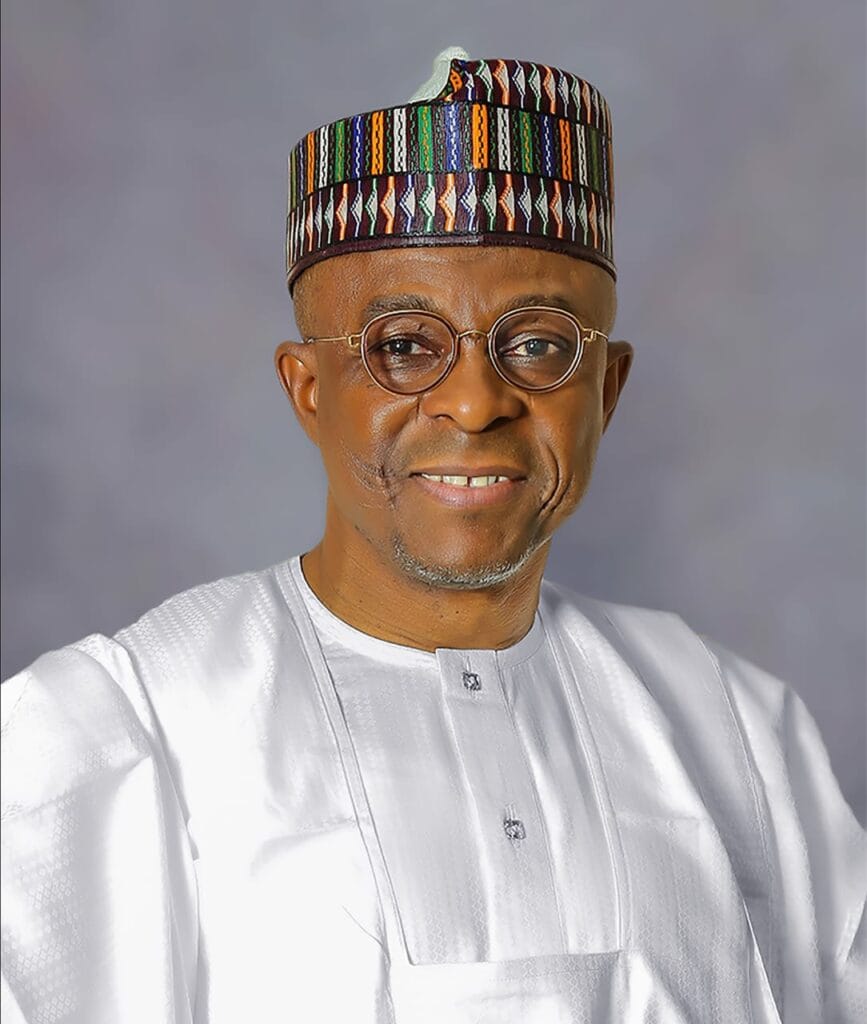
By Obafemi Richard Jegede
Across Africa, significant resources have been invested in advancing women’s economic empowerment through vocational training, entrepreneurship programmes, grants, financial inclusion initiatives and other development interventions.
These efforts have undoubtedly created opportunities. But as Africa confronts unemployment, poverty, widening inequality and the urgent need to expand productive economic participation, we must begin asking whether our existing approach goes far enough.
The next chapter of women’s economic empowerment should not simply be about implementing more programmes.
It should be about building economic infrastructure around women.
For decades, one of the most visible approaches to economic empowerment has been skills acquisition. Women are trained in different vocations and, in some cases, provided with starter equipment or small grants.
Training is valuable, but the economic pathway after training is even more important.
A woman may possess excellent technical skills and still struggle to generate sustainable income because she lacks productive infrastructure, customers, finance, technology, information or access to markets.
This means governments and development institutions should increasingly evaluate empowerment programmes by economic outcomes rather than participation figures.
The question should not end with, “How many women did we train?”
We should also ask:
How many are earning six months later?
How many businesses survived?
How many entered formal markets?
How many acquired productive assets?
How many created employment?
How many expanded beyond micro-enterprise?
This requires moving from a training model towards an enterprise pathway:
Skills → Production → Market Access → Income → Asset Ownership → Enterprise Growth.
Beyond Access to Capital
Finance remains one of the most significant constraints facing African entrepreneurs, but capital alone cannot solve the enterprise-development challenge.
Entrepreneurs also require access to information, customers, credible professional services, technology, institutions, relationships, procurement opportunities and distribution channels.
An entrepreneur may have a viable product but lack access to a major buyer.
Another may have sufficient demand but be unable to find appropriate financing.
Another may require regulatory guidance, a credible logistics provider or an introduction to the institution capable of unlocking the next stage of growth.
In many cases, the resources exist.
The economic distance between the entrepreneur and those resources is the problem.
Reducing that distance should become an important component of enterprise policy.
Connect Women to the Mainstream Economy
Women’s economic empowerment should also move beyond creating isolated programmes specifically for women.
The larger objective should be to position women within the mainstream economy.
This means expanding women’s participation in corporate supply chains, public procurement, agriculture, manufacturing, technology, financial services, creative industries, hospitality, exports, and other productive sectors.
Governments can use procurement policy to create transparent opportunities for qualified women-owned businesses.
Corporations can deliberately strengthen women-led enterprises within their supply chains.
Financial institutions can combine appropriate finance with business-development support.
Technology platforms can expand access to customers and information.
The objective is not to create a separate economy for women.
It is to ensure that women participate competitively and productively in the economy that already exists—and in the new industries Africa is building.
Economic Diplomacy Must Reach Entrepreneurs
There is another dimension that deserves greater attention: economic diplomacy.