 The New Experience Newspapers Online News Indepth, Analysis and More
NSC SEEKS UNIFIED ACTION TO ELIMINATE BOTTLENECKS IN NIGERIA’S NON OIL EXPORT CHAIN
By prince Benson Davies
At the National Export Efficiency Stakeholders’ Roundtable held in Lagos, the Nigerian Shippers’ Council, NSC, pressed for closer institutional collaboration to accelerate growth in Nigeria’s non oil export sector.
The one day forum, themed “Building an Efficient Non Oil Export Ecosystem: Addressing Port, Shipping and Logistics Challenges for Sustainable Growth,” convened key players across the maritime and trade value chain to chart practical steps for improving export performance.
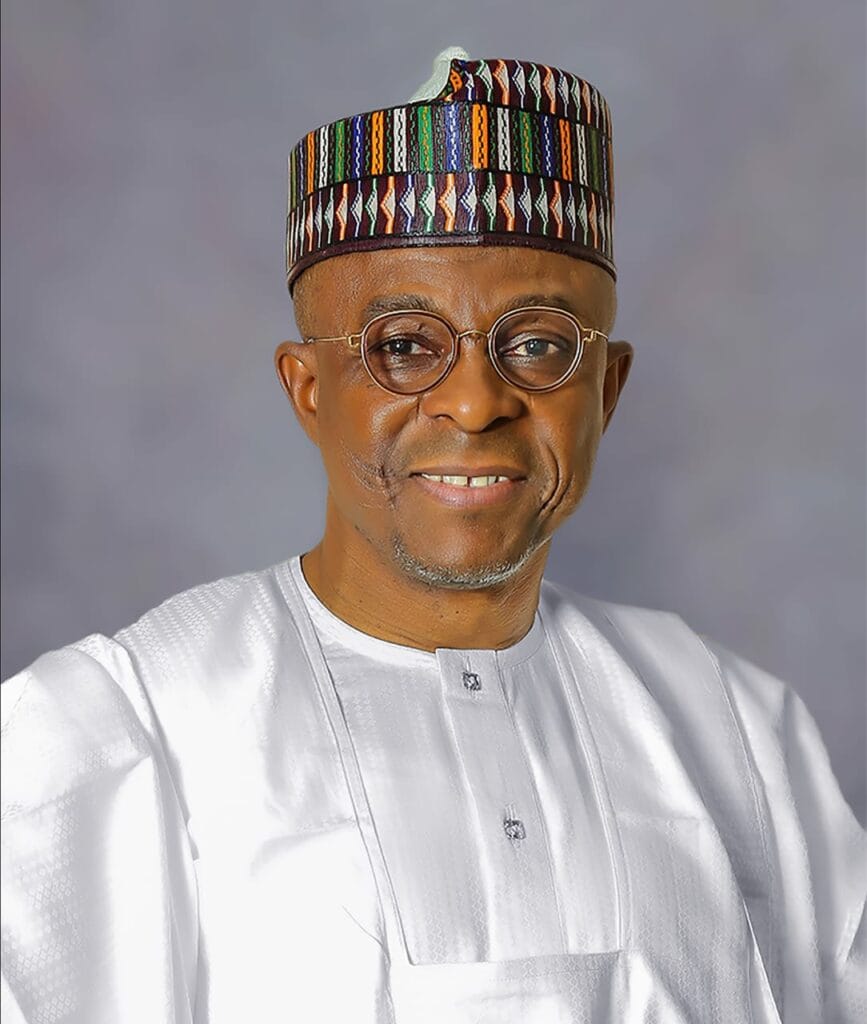
The Executive Secretary and Chief Executive Officer of the NSC, Dr. Pius Akutah, MON, represented by the Director, Strategic Planning and Research, Mr. Rotimi Anifowose, stressed the urgent need for deeper partnerships among stakeholders. He said the roundtable was structured to encourage constructive engagement, harmonise operational processes, and design workable solutions that remove persistent bottlenecks facing exporters.
Dr. Akutah restated the Council’s role as the nation’s Port Economic Regulator, reaffirming its commitment to advancing transparency, fairness, and efficiency in port and shipping operations.
Addressing the link between logistics efficiency and sustainable economic growth, the Director, Special Duties Department, Mr. Moses Abere, represented by the Deputy Director, Synergy and Collaboration, Mrs. Austina Ogbonnaya, underscored the importance of reducing obstacles that limit exporters. She highlighted the need to improve competitiveness and boost efficiency across the maritime value chain.
A major focus of the discussions was the National Single Window NSW project, which aims to automate port processes, cut delays, enhance transparency, and enable seamless trade operations.
Delivering a keynote presentation, the Founder and CEO of Multi mix Academy, Dr. Obiora Madu, outlined five critical pillars for non oil export efficiency: corridor efficiency, port productivity, shipping connectivity, trade documentation, and access to export finance. He also proposed the creation of a National Export Logistics Coordination Platform to drive coordination and accountability.
The roundtable included a panel session featuring representatives from the Nigerian Shippers’ Council, Nigeria Customs Service, Nigeria Agricultural Quarantine Service, NACCIMA, the Nigeria Police Force, and NAGAFF.
Participants lauded the NSC for convening the forum and pledged support for its continued leadership in policy advocacy, stakeholder coordination, and trade facilitation.
The meeting ended with a consensus that building an efficient non oil export ecosystem is attainable through collective accountability, sustained infrastructure investment, and a firm commitment to digital transformation and procedural transparency.